Running is much more than just putting on your trainers and heading out the door. Behind solid progress there’s science, planning, and understanding your own body. In this article, we’ll break down the most important running workouts to improve your performance, avoid injuries and have more fun along the way. We’ll cover everything from how to start running with the CACO method to how to structure your easy runs, fartleks, and intervals based on your pace and effort zones (RPE).
When you start following a training plan, you’ll understand much better how it’s structured and the reasoning behind each session. Each type of workout has a specific physiological purpose: some build your endurance, others improve your power or your ability to recover. Understanding this balance is what will help you progress consistently and avoid plateauing.
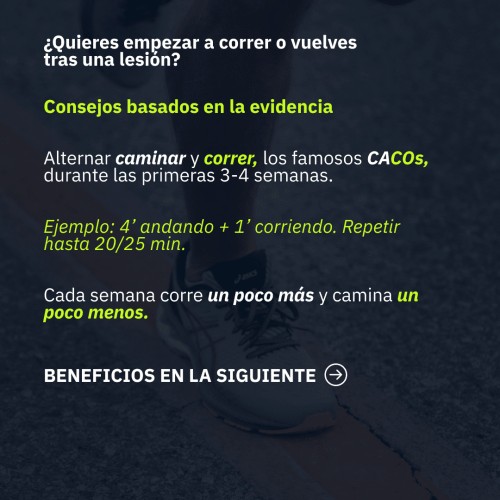
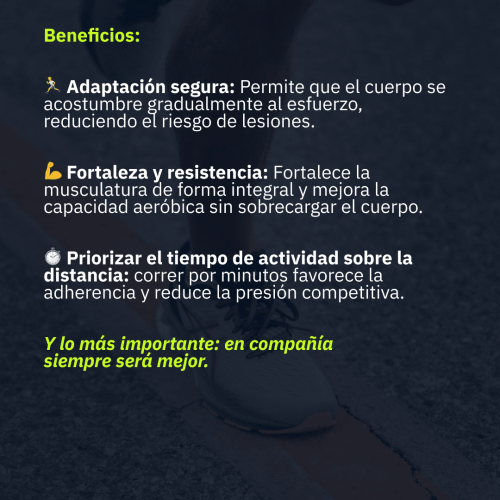
If you’re a beginner or you haven’t run in a while, the CACO method (run-walk) is one of the best ways to start. It involves alternating short periods of walking and easy running, which allows your body to gradually adapt to the impact and the effort.
For example, you can start with 1 minute running and 2 minutes walking, repeating this cycle for 20–30 minutes. As the weeks go by, you’ll gradually increase the running time and reduce the walking time.
Once you’re able to run continuously for 30–40 minutes without too much effort, you’ll be ready to move on to the next phase: Z1 and Z2 easy runs.
Z1 and Z2 are essential for any runner, whether you’re just starting out or looking to run faster in the future. The goal here is to build aerobic endurance—your body’s ability to sustain effort over time while using oxygen efficiently.
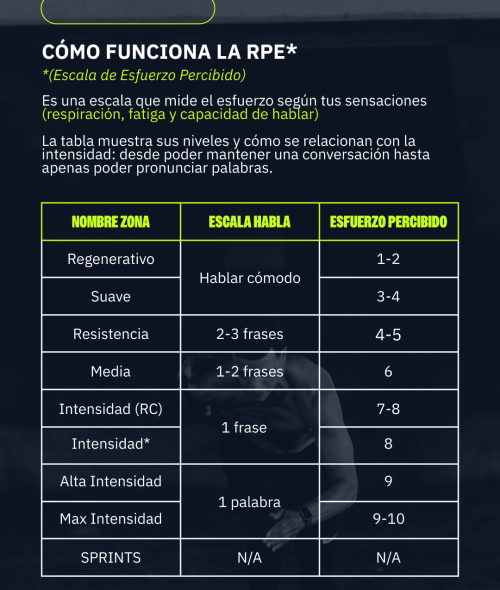
Training zones are defined by heart rate or RPE (Rate of Perceived Exertion), a 1–10 scale that measures perceived effort.
Aim to spend at least 70–80% of your weekly training on runs in these zones. They’re the foundation for everything else and will help you sustain more intense efforts in the future.

Understanding your training paces is key to progressing without plateauing or overtraining. You can define your zones with a stress test, a field test (for example, a 30-minute test), or simply by using your RPE.
Fartlek (a Swedish word meaning “speed play”) mixes segments at different intensities within the same workout. It’s ideal for breaking the monotony and improving both aerobic capacity (Z3) and anaerobic capacity (Z4).
Example fartlek session:
These sessions are best done once a week, always allowing for good recovery between them. They’ll help you keep that spark and prepare your body for more intense workouts.
Intervals are broken-up, high-intensity workouts designed to improve anaerobic capacity and VO₂ max (the maximum amount of oxygen your body can use). They’re an essential part of advanced running workouts.
Intervals should be included once or twice per week, always preceded by a good warm-up and followed by an easy run or stretching.
A balanced plan should include:
Strength training is key to avoid injuries and improve efficiency when running. Don’t forget to include core, glute, and leg exercises twice a week.
Once you understand why you alternate each type of session, you’ll see how your body improves week by week. That’s the magic of well-designed running workouts: they help you progress without burning out.
Well-planned running workouts will help you improve your fitness, run faster, and reduce the risk of injury. Start with the CACO method, build a strong base in Z1 and Z2, add fartleks to develop aerobic capacity, and finish by incorporating intervals to boost your power and VO₂ max.
Remember: consistency, gradual progression, and listening to your body are key. If you want to make progress with others, discover how Buddy Pacer connects you with runners at your level and pace so you can train together. Running with a Buddy is always better!